Sunday, 30 August 2026

Aston Hall

Birmingham, like most of the Industrial Revolution cities, has random remnants of the time before. 

Birmingham in the context of the West Midlands is really interesting because you've got Hereford, Worcester and Lichfield, which were these big, important medieval cities and now they're the small provincial ones lorded over by Birmingham. I think I notice the difference because my part of the North West is all post-Industrial Revolution. 

Aston Hall is one of those remnants - https://www.birminghammuseums.org.uk/aston-hall 

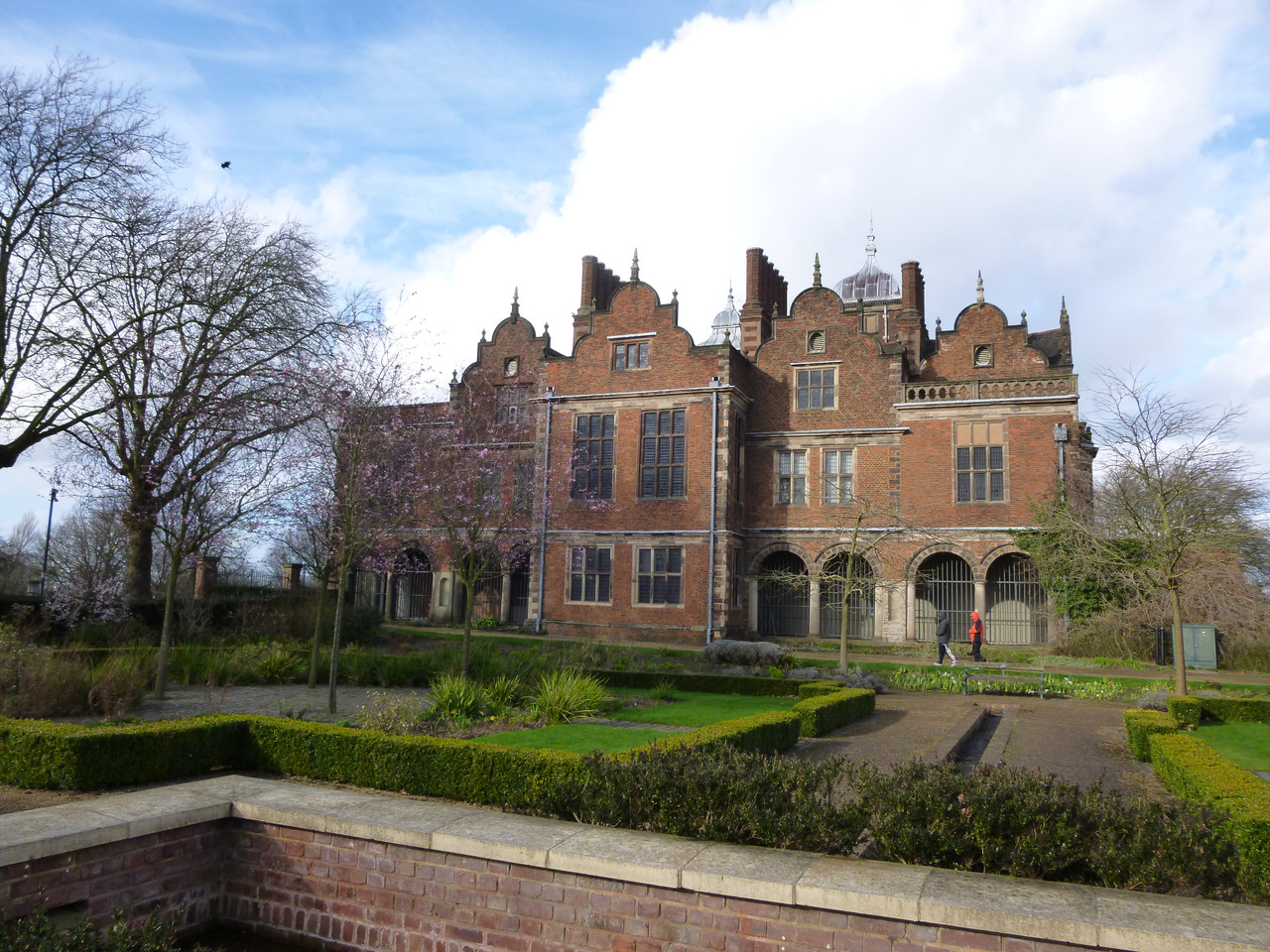
In easy public transport reach of the centre of Birmingham, it counts as a hidden gem. I'd been in Birmingham for 9 years before going (a friend invited me). The front of Aston Hall.  It is a Jacobean red-gold brick house. 
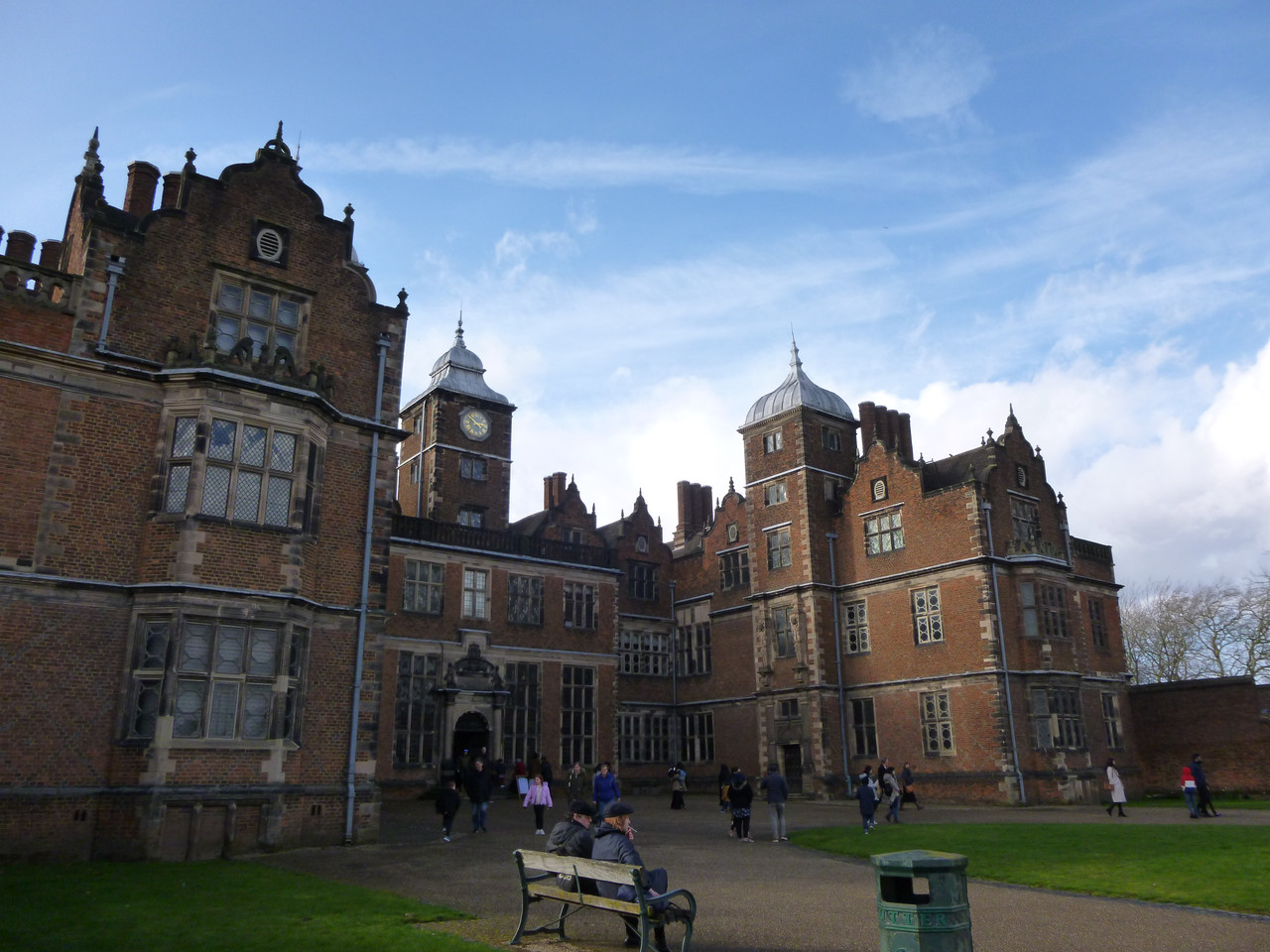
For more information about its history, including that it's the first historic country house bought during that upswell of civic pride in the industrial cities in the late 1800s please read it's Wikipedia article - https://en.wikipedia.org/wiki/Aston_Hall 
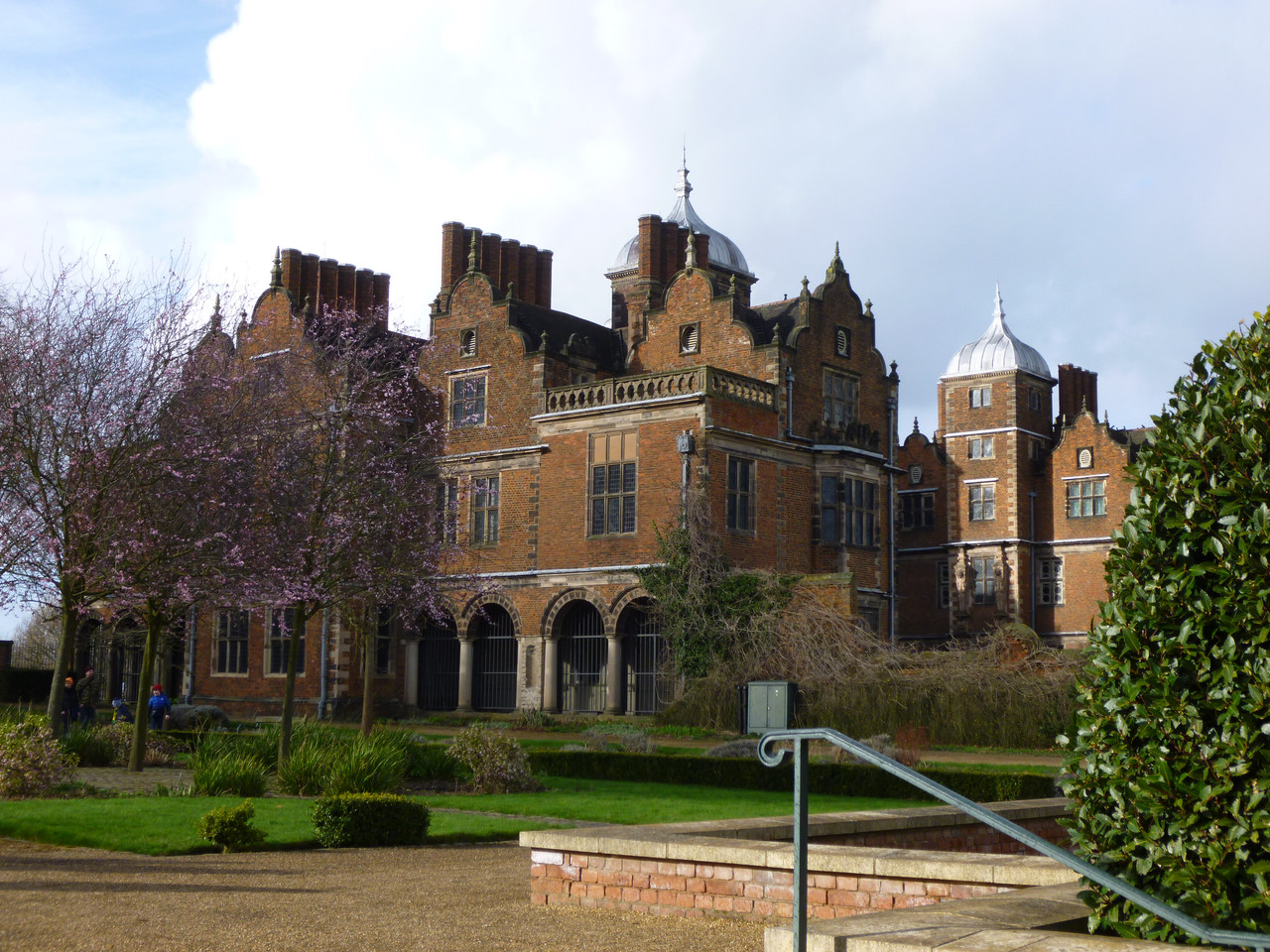
Front and left side of the hall. Photo that you can see the front of the hall and the left hand side.  From this angle you can see the cupola tops of two of the roof sections which you cannot see in the next photo.  The view is from the garden.  You can see a hedge in the right hand side of the photo, and trees with purple leaves on the left. 
Probably my favourite photo, because I like the contrast of the purple leaves on the tree with the brown of the bricks of the hall.

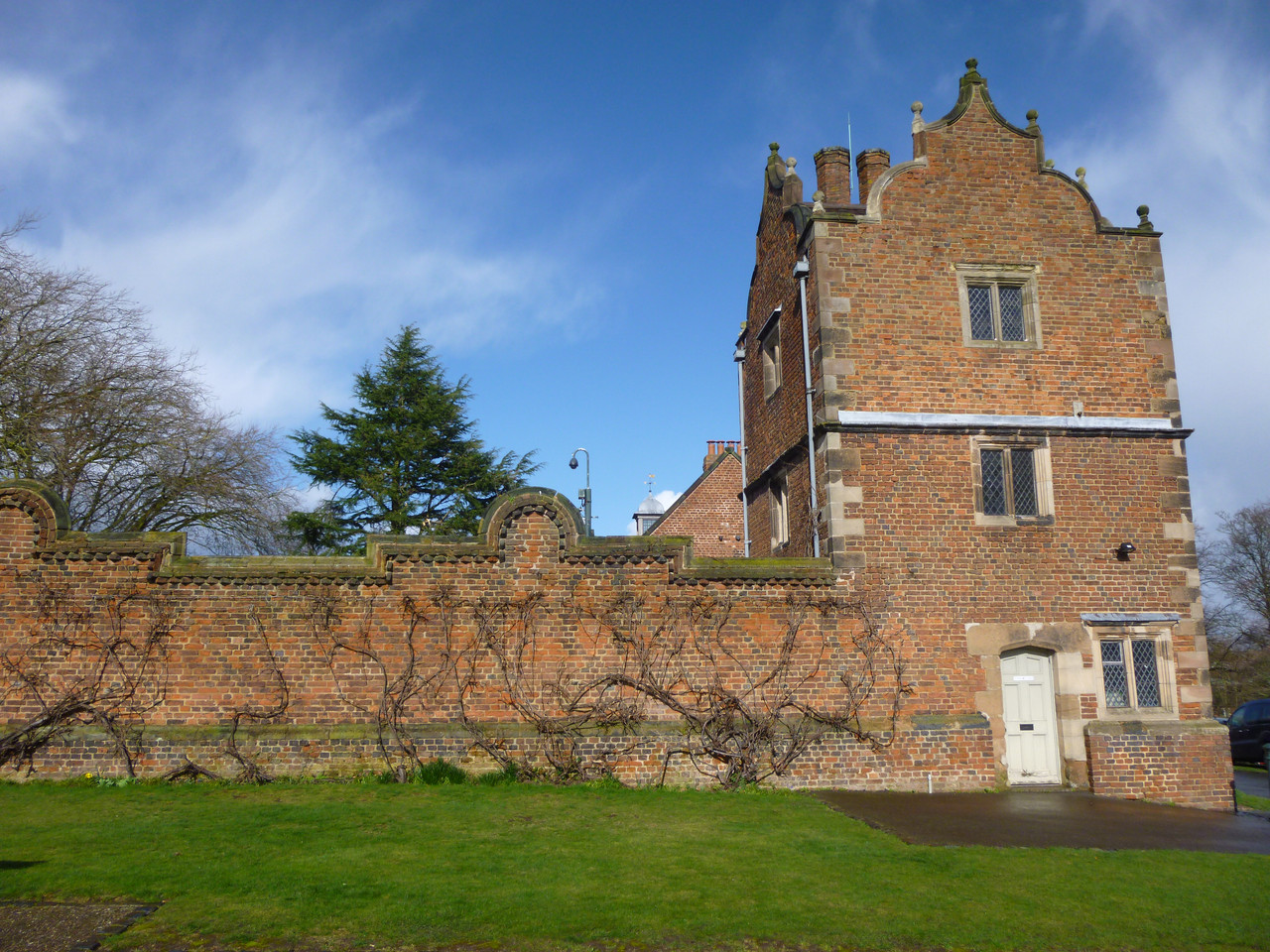
 Another photo of the hall, this time from the left hand side.  This side is also made of bricks.  There are four sort of clover shaped roofs, repeating patterns very much a thing.  In front of the house is a small garden.  The trees are bare because it was March.
 Left side of the hall
 Right hand side of the hall.  Because this was where the kitchen was, this is much less decorative, just plain bricks with no repeating patterns.
Right side of the hall

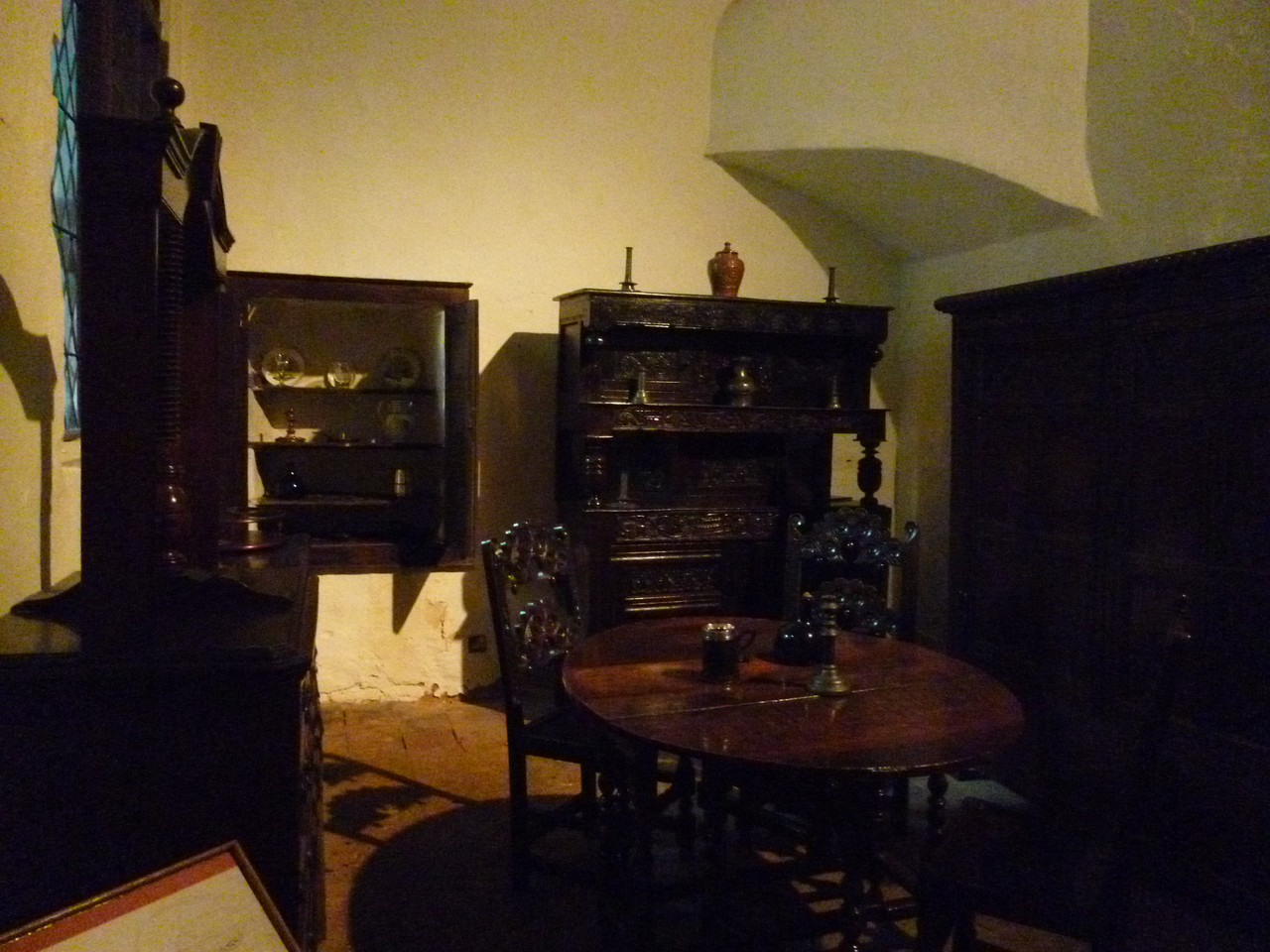
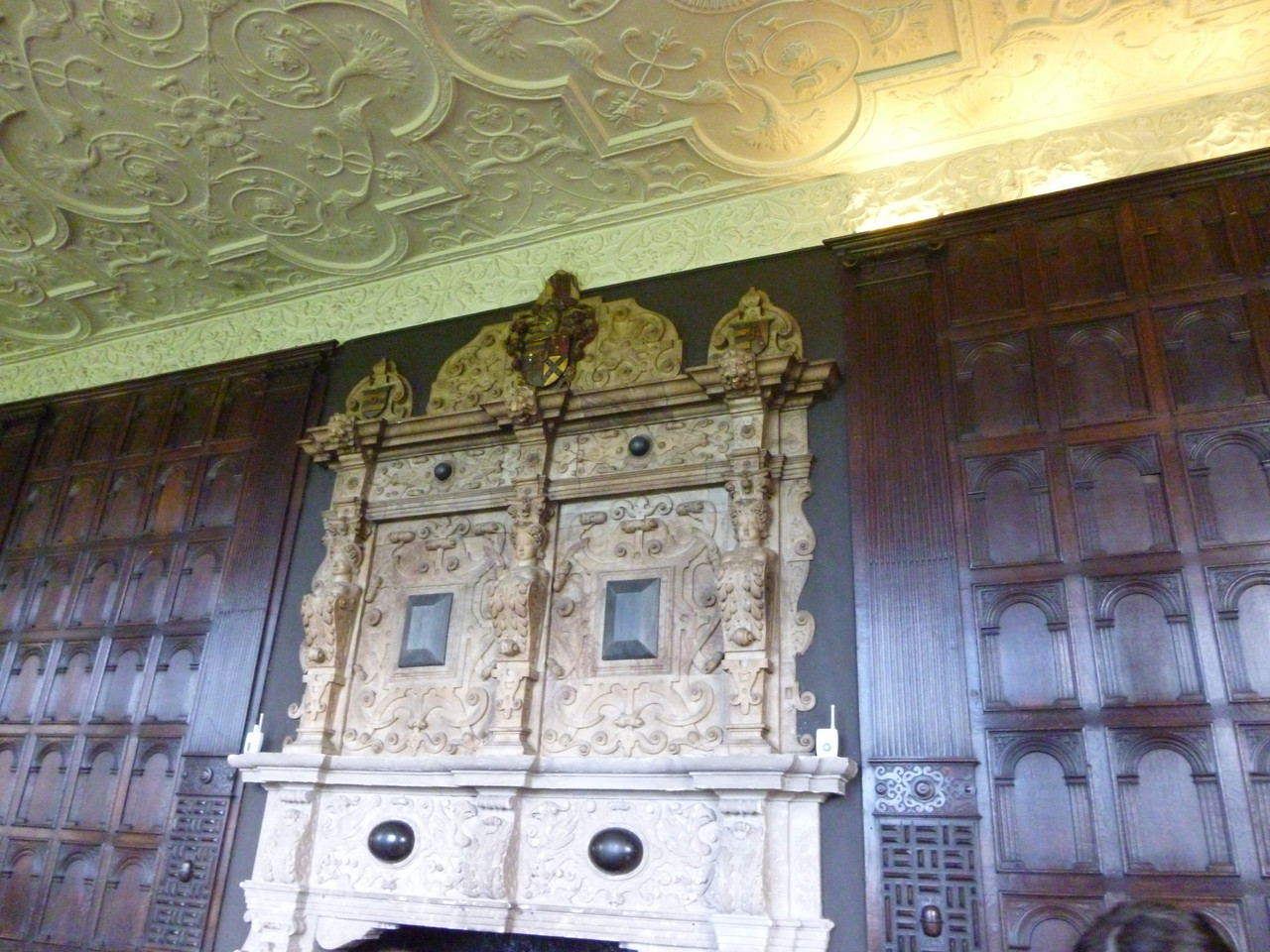
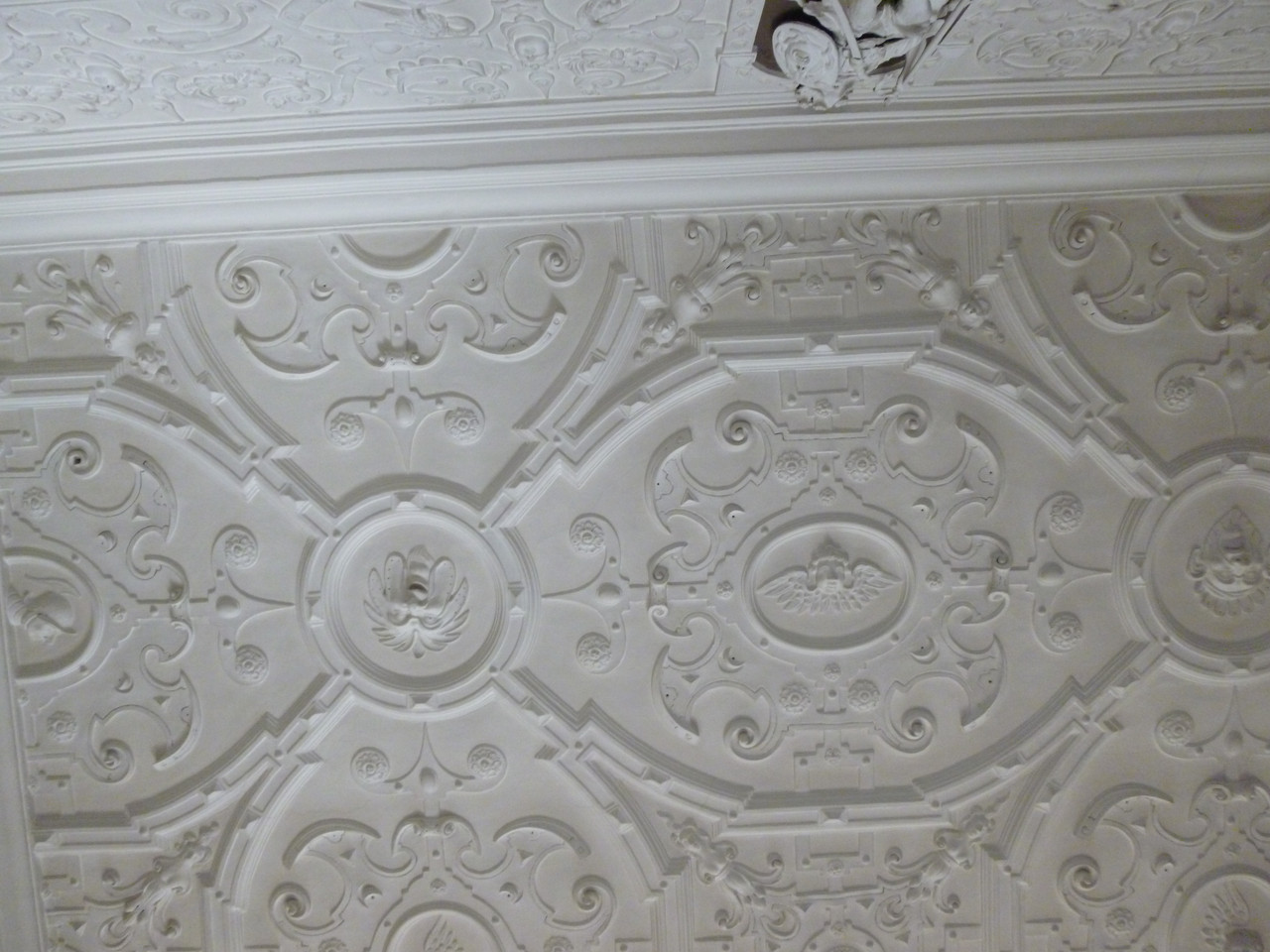
The inside is mostly intact, with a bit of restoration here and there. Photo of the Jacobean furniture in one room of Aston Hall.  It's all very dark wood and heavy. Fancy fireplace Fireplace in one of the long halls.  The panelling around it is dark wood again, the ceiling has designs in white plaster.  The fireplace itself is carved from a white stone - marble? And the ceiling in more detail Photo of a stucco or stucco-style ceiling.  There are putti in the centre of circles, joined by hexagons which also have putti in the middle. 

In one of those "oh, I should have figured that out" moments, Aston Villa took their name from the area, and that's where Aston Hall also is. The Holte End at Villa Park is named for the Holte family that used to own Aston Hall. Which makes sense, because Villa Park is literally across the road from Aston Hall. Shot of the ground of Aston Villa (Villa Park) taken from the park around Aston Hall. 

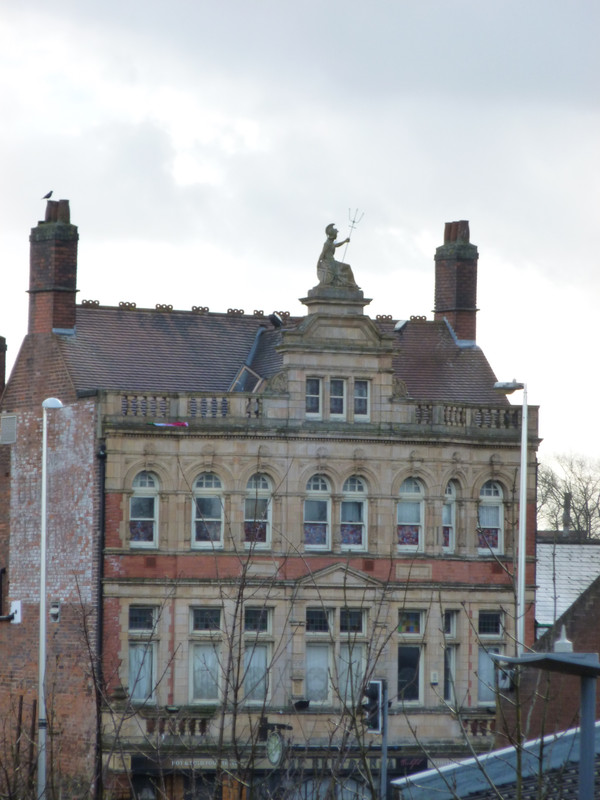
Possibly because I come from an ex-industrial area, I have a soft spot for museums and architecture not associated with the posh or the clerical, which is why the current wave of buildings falling into disuse and ruin is upsetting. Take this as an example from a now-closed pub local to Aston Hall. Top two floors of a disused Victorian pub.  The floor at the bottom of the image has 6 narrow rectangular windows, three either side of a larger bay window.  The floor above has 8 windows across the same span.  The windows are rectangular but the top side has been replaced by a semi-circle.  Then comes the roof and on top of the roof is a statue of what I think is Britannia because she is a woman in a chariot holding a trident. 
I enjoyed the visit of Aston Hall. I'd like to go again, because the friends I went with brought their children and their attention span was understandably shorter than mine so the visit had to get cut short.

No comments:

Post a Comment